
I always thought I was eating healthy. I wasn’t binging on junk food, I stayed away from fast food, and I made an effort to include vegetables in my meals. But when I got my routine bloodwork back, the results were shocking—my cholesterol was high, and my doctor warned me that I was on the path toward long-term health issues.
I couldn’t understand it. I exercised regularly, I wasn’t overweight, and I didn’t feel unhealthy. But something was clearly off. That’s when I decided to take a closer look at what I was actually eating.
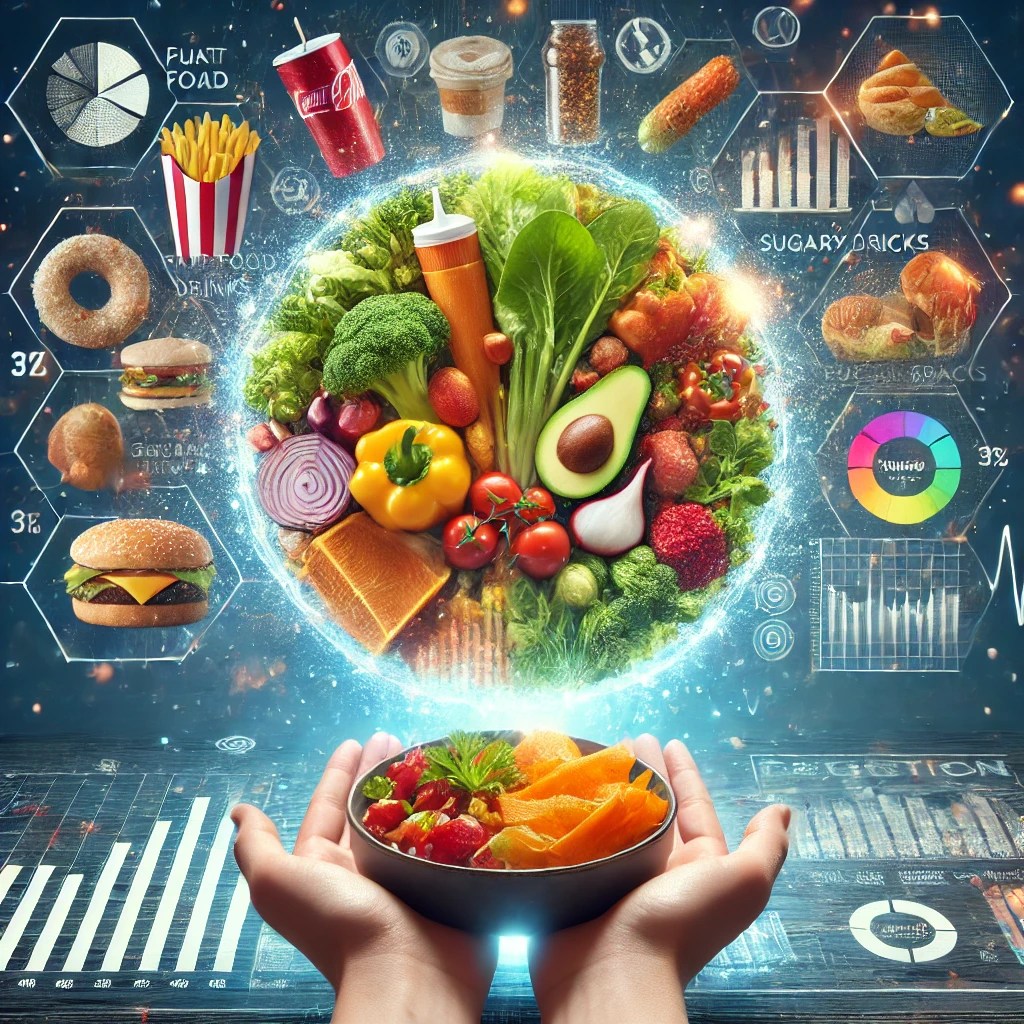
Using Simple Fitness AI’s nutrition tracking, I started scanning my meals, thinking I’d confirm that I was on the right track. Instead, I discovered just how much hidden salt and sugar I was consuming without realizing it. The sauces, the dressings, even my so-called “healthy” snacks—everything was loaded with sodium and added sugars. My “balanced diet” was anything but.
Once I saw the pattern, I knew I had to make a change. I slowly cut back on processed foods, swapped out high-sodium condiments, and became more mindful of my sugar intake. Within months, my follow-up bloodwork showed improvement. My cholesterol levels normalized, my energy levels were better, and I felt more in control of my health.
The Silent Crisis: Nutrition and Health in the U.S.
I’m not alone in this. The reality is that most people have no idea how much sugar, salt, and processed food they consume daily.
- 90% of Americans eat too much sodium, increasing the risk of high blood pressure and heart disease.
- The average American consumes 17 teaspoons of added sugar per day, more than twice the recommended amount.
- 1 in 3 adults in the U.S. has high cholesterol, a major risk factor for heart disease and stroke.
- Poor diet contributes to over 678,000 deaths per year in the U.S. from diseases like diabetes, cardiovascular conditions, and obesity-related illnesses.
And what happens when health declines? Medications. People end up on cholesterol-lowering drugs, blood pressure medication, or insulin for diabetes—treating symptoms instead of addressing the root cause.
Food is Medicine—But First, You Need Awareness
The truth is, food can be medicine or poison—it depends on what we put in our bodies. Making small changes to our diets can prevent many of the health issues that force people onto medication. But to break a pattern, you first need to see the pattern.
That’s where Simple Fitness AI comes in.
By tracking not just calories, but sugar, sodium, and overall food quality, Simple Fitness AI helps you identify habits that may be harming your health. Instead of obsessing over every meal, it gives you a holistic view of your eating patterns over time—so you can detect issues early and make better choices before they turn into real health problems.
This isn’t about dieting or restriction. It’s about awareness, balance, and long-term health. Just like I discovered my own hidden food pitfalls, you can use this tool to take control of your nutrition and improve your health before it becomes a crisis.
Take the First Step Today
Health isn’t just about working out. What you eat matters just as much—if not more. If you want to be proactive about your well-being, start tracking your nutrition and learning from your habits.
Because when it comes to your health, small changes today can prevent big problems tomorrow.



 My Easy to Follow Longevity Lifehacks
Leave a comment