
“Raising the Stakes: How Placing Bets on Yourself Can…
Did you know that one of the most effective ways to adopt healthier habits isn’t found in a kale smoothie or a Tony Robbins seminar, but lies in the…
Hey there, health-hustler!
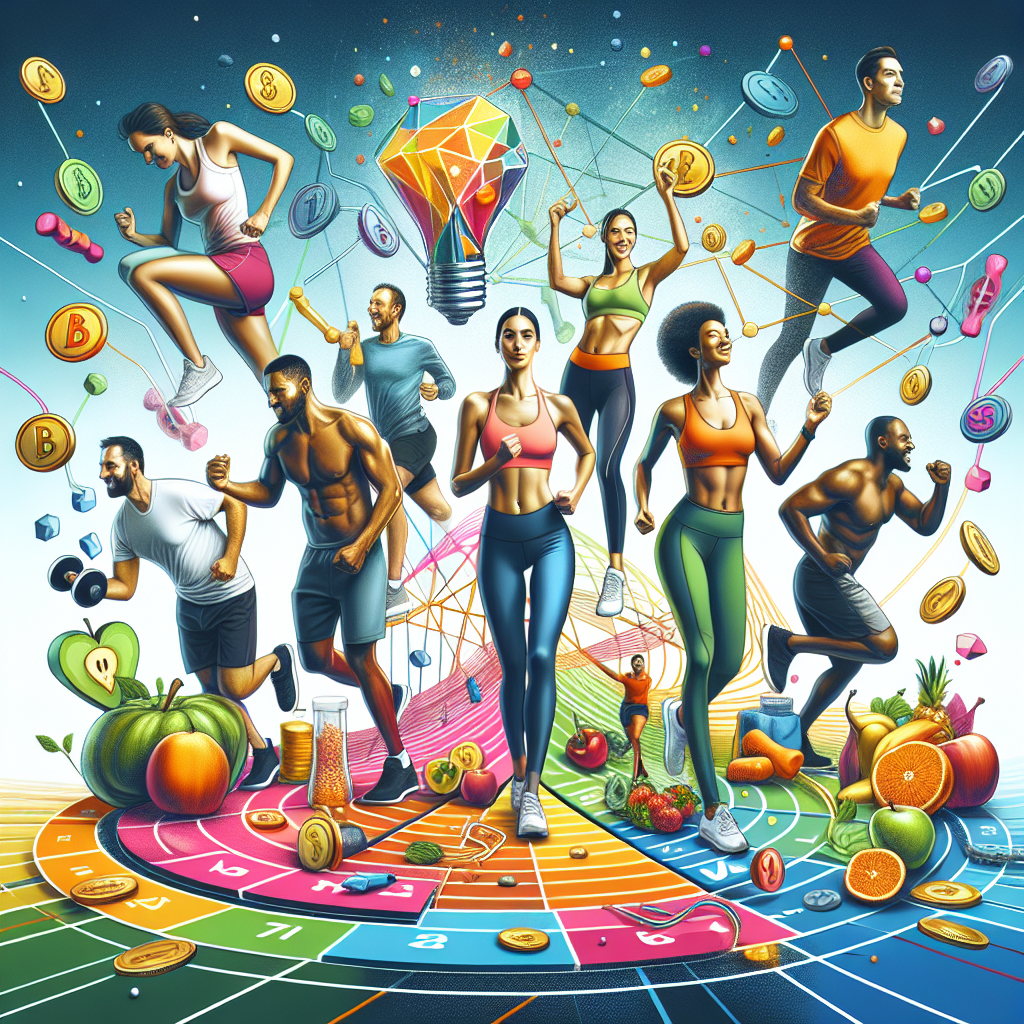
Did you know that one of the most effective ways to adopt healthier habits isn’t found in a kale smoothie or a Tony Robbins seminar, but lies in the Vegas Strip? No, it doesn’t mean hitting the slots with your paycheck or betting it all on red. But rather, betting on your own ability to change habits and regain control over your health – a concept I like to call ‘health-gamifying’.
Betting on yourself may sound like an unorthodox technique but hear me out. I recently read an article on New Scientist about a study where a single dose of psilocybin (the active ingredient in ‘magic mushrooms’) relieved symptoms of OCD for months. While the science behind this is fascinating (and trust me, it is), what really stood out to me is the potential for psychological motivation in adopting healthier habits.
Consider this: our brains are hardwired to respond to rewards. The anticipation of a reward releases dopamine, a neurotransmitter that makes us feel good. It’s the same reason you feel a rush of excitement when you win at Bingo or solve a challenging puzzle. Now, imagine if we could harness this mechanism and apply it to our health and fitness goals.
Enter SimpleFitness.ai. This isn’t your run-of-the-mill fitness app, but a personal companion designed to help you gamify your health journey. It allows you to track your sleep, nutrition, workouts and most importantly, build sustainable habits. It’s like having a witty personal trainer and nutritionist in your pocket, minus the eye-watering fees and protein shake breath.
I’m sure you’re thinking, “Well, that sounds peachy, but how exactly does this betting on myself work?” Here’s an example: let’s say you want to shed a few pounds and have been struggling to hit the gym consistently. With SimpleFitness.ai, you’d set your goal (i.e., to hit the gym three times a week), and also set a ‘bet’ (maybe a small self-imposed fine for each missed gym day).
Suddenly, maintaining your workout regimen becomes a game. Each gym session you complete brings you closer to winning the bet, and that in itself becomes a source of motivation. You’re no longer just working out. You’re beating the odds, sticking it to the man (or in this case, the app), proving that you have what it takes to meet your goals head-on, and relishing the sweet taste of victory.
And the best part? There’s actual science backing this up. A study by the Journal of the American Medical Association showed that participants who had monetary incentives to lose weight lost significantly more than their counterparts who did not. The anticipation of winning the bet and the dread of losing money proved to be powerful motivators!
Now, I’m not saying you need to risk your fortune on these health bets. Our goal is to encourage positive change, not make you fret about potentially losing money. The point is to assign a value (monetary or otherwise) to your goals, making them tangible and increasing your drive to achieve them.
Health gamification is not just about weight loss. Whether your goal is to get more sleep, reduce stress, or improve your overall nutrition, you can also ‘bet’ on these aspects of your wellness journey. Because at the end of the day, the biggest win is seeing a healthier, happier version of you.
So, what do you say, are you ready to raise the stakes on your health? I’m betting you are. (Did you see what I did there?) Head over to SimpleFitness.ai and let’s turn the tables on your health habits!
Keep pushing, keep hustling, and remember: you got this. As they say, the house always wins, and in this case, you ARE the house. Bring your own dice, set your own rules, and come out on top. Ready, set, health-gamify!


 My Easy to Follow Longevity Lifehacks
Leave a comment